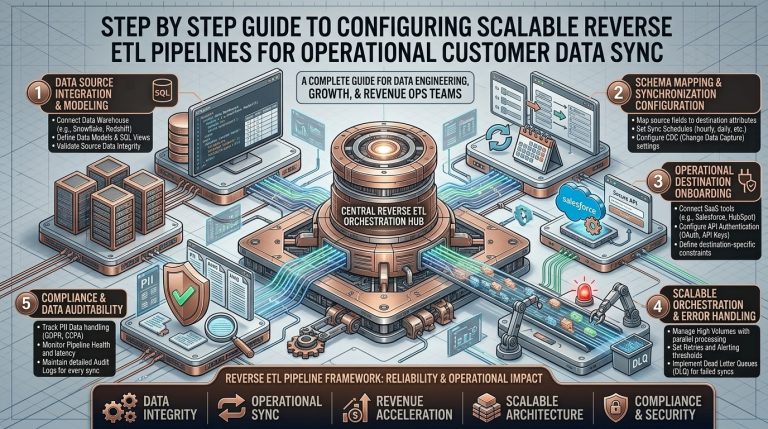
As high-performance digital enterprises and data-driven platforms expand across major economic and technological hubs—from the financial epicenters of New York and San Francisco to innovative tech ecosystems in Texas, Washington, and California—raw data collection is merely the first step toward operational intelligence. Whether managing complex inventory feeds for localized pet supply fulfillment networks like sdnia.com or tracking multi-channel customer interactions, raw data arriving from production databases, SaaS tools, and event streams is messy, unformatted, and siloed.
Historically, organizations relied on fragile, proprietary ETL scripts or expensive, monolithic data preparation software that created black-box transformations, lacked version control, and frustrated engineering teams. The modern data stack has completely revolutionized this paradigm through open-source analytics engineering frameworks—led by dbt (data build tool) and complementary open-source orchestration engines—which bring software engineering rigor, modular code structures, automated testing, and CI/CD pipelines directly to SQL-based data transformations.
This comprehensive, step-by-step tutorial explores the core architecture of modern transformation frameworks, modular data modeling patterns, step-by-step implementation blueprints, optimization tips, and best practices required to transform raw business data into trusted, production-ready analytical assets that rank exceptionally well in performance and reliability.
1. The Paradigm Shift: From Monolithic ETL to Modular Analytics Engineering
To understand why open-source transformation frameworks have become the industry standard, engineers must evaluate how data transformation has evolved from opaque scripts to transparent, code-driven workflows.
[ Raw Data Sources (Postgres DB, SaaS APIs, S3 Events) ]
                          │
                          ▼
[ Modern Cloud Data Warehouse (Snowflake / BigQuery / DuckDB) ]
                          │
                          ▼
[ Open Source Transformation Framework (dbt Core / SQLMesh) ]
   ├── Staging Models (Clean, cast, rename raw tables)
   ├── Intermediate Models (Business logic, joins, aggregations)
   └── Mart Models (Star schema fact & dimension tables for BI)
- The Analytics Engineering Workflow: Modern transformation frameworks separate the loading of data (handled by ELT connectors) from the transformation of data (handled inside the cloud data warehouse using modular SQL select statements).
- Software Engineering Best Practices: By treating SQL code like software source code, open-source transformation frameworks introduce version control (Git), automated CI/CD validation, code linting, modular dependency management (
ref()functions), and automated documentation generation.
2. Comprehensive Comparison of Top Open-Source Transformation Tools
Choosing the right open-source transformation engine depends on your stack complexity, scale, and operational requirements.
+-------------------+-------------------+-------------------+-------------------+
| Framework         | Core Language     | Execution Model   | Best Enterprise   |
|                   |                   |                   | Use Case          |
+-------------------+-------------------+-------------------+-------------------+
| dbt Core          | SQL + Jinja       | Compiles SQL into | Industry standard |
|                   | Templating        | warehouse queries | for analytics     |
|                   |                   | and executes      | engineering teams |
| SQLMesh           | SQL + Python      | Virtual data      | Advanced column-  |
|                   |                   | datants & query   | level lineage &   |
|                   |                   | semantic state    | zero-copy testing |
| DuckDB            | SQL / Python      | In-process vector-| Local analytics,  |
|                   |                   |ized analytical    | lightweight CI/CD |
|                   |                   | database engine   | testing & dev     |
+-------------------+-------------------+-------------------+-------------------+
1. dbt Core (The Analytics Engineering Standard)
dbt Core is the open-source engine that enables data analysts and engineers to transform data in their warehouses by writing modular SQL select statements combined with Jinja templating.
- Architecture: dbt does not store data or execute raw storage compute itself; instead, it compiles modular SQL models into efficient DDL/DML statements (
CREATE TABLE,CREATE VIEW) and pushes the execution down directly into your cloud data warehouse.
3. Step-by-Step Implementation Blueprint: Building a Production Transformation Pipeline
Below is a complete, step-by-step blueprint demonstrating how to structure a modern open-source transformation project using dbt Core.
Step 1: Configuring Project Structure and Connection Profiles
Initialize your transformation project and configure your profiles.yml file to connect securely to your data warehouse (e.g., Snowflake, BigQuery, or DuckDB):
YAML
# profiles.yml configuration example for enterprise data warehouse
best_pet_analytics:
  target: dev
  outputs:
    dev:
      type: snowflake
      account: "xy12345.us-east-1"
      user: "analytics_engineer"
      password: "{{ env_var('DBT_ENV_SECRET_PASSWORD') }}"
      role: "TRANSFORMER_ROLE"
      database: "DEV_BEST_PET_WAREHOUSE"
      warehouse: "TRANSFORMING_WH"
      schema: "dbt_dev_staging"
      threads: 8
Step 2: Writing Staging Models (Cleaning Raw Ingestion Data)
Staging models represent the first layer of transformation. Their job is strictly to clean raw data: renaming columns to consistent naming conventions, casting data types, and filtering out test records.
SQL
-- models/staging/stg_pet_orders.sql
with source as (
    select * from {{ source('raw_operational_db', 'orders_raw') }}
),

renamed as (
    select
        id as order_id,
        user_id as customer_id,
        lower(item_sku) as product_sku,
        cast(quantity as integer) as order_quantity,
        cast(total_price_cents as decimal(10,2)) / 100.0 as order_amount_usd,
        status as raw_order_status,
        cast(created_at as timestamp) as ordered_at_timestamp,
        date(created_at) as order_date
    from source
    where test_mode = false
)

select * from renamed
Step 3: Building Intermediate and Mart Fact Models
Intermediate models handle complex business logic and joins. Mart models materialize the final tables optimized for business intelligence dashboards and executive reporting.
SQL
-- models/marts/fct_pet_sales.sql
{{
    config(
        materialized='incremental',
        unique_key='order_id',
        cluster_by=['order_date', 'product_sku']
    )
}}

with staged_orders as (
    select * from {{ ref('stg_pet_orders') }}
),

staged_products as (
    select * from {{ ref('stg_pet_products') }}
),

final_joined as (
    select
        o.order_id,
        o.customer_id,
        o.product_sku,
        p.product_category,
        o.order_quantity,
        o.order_amount_usd,
        o.raw_order_status,
        o.ordered_at_timestamp,
        o.order_date
    from staged_orders o
    left join staged_products p
        on o.product_sku = p.sku
)

select * from final_joined

{% if is_incremental() %}
    -- Only process new rows loaded since the latest recorded timestamp in production
    where ordered_at_timestamp > (select max(ordered_at_timestamp) from {{ this }})
{% endif %}
4. Best Practices for Scaling Transformation Workflows
+-----------------------------------+-----------------------------------+
| Transformation Challenge          | Recommended Engineering Practice  |
+-----------------------------------+-----------------------------------+
| Spaghetti SQL Queries             | Break complex queries down into   |
|                                   | small, single-purpose intermediate|
|                                   | models using the `ref()` function |
| Long-Running Full Table Refreshes | Utilize incremental materializa-  |
|                                   | tions for large fact tables       |
| Undetected Upstream Schema Breaks | Enforce automated schema tests    |
|                                   | (`unique`, `not_null`, `relationships`)|
|                                   | in CI/CD pull request pipelines   |
+-----------------------------------+-----------------------------------+
- Embrace Modular Design: Never write 500-line monolithic SQL queries. Break transformations down into atomic steps: staging models handle data casting, intermediate models handle business joins, and mart models handle final aggregations.
- Automate Testing in CI/CD: Configure your Git repository (GitHub Actions or GitLab CI) to execute
dbt test --select state:modified+on every pull request, ensuring that any code modification is fully tested against staging environments before merging to production.
Frequently Asked Questions (FAQ)
1. What is an open-source data transformation framework?
It is a software tool (such as dbt Core or SQLMesh) that allows data engineers to write modular, version-controlled SQL models to clean, transform, and model raw data inside cloud data warehouses.
2. How does dbt Core differ from traditional ETL tools?
dbt focuses exclusively on the T (Transform) phase of ELT. It compiles modular SQL code and pushes execution down into the data warehouse, utilizing software engineering best practices like Git version control and automated testing.
3. What is the role of the ref() function in modular data modeling?
The ref() function dynamically links models together, allowing transformation frameworks to build automated directed acyclic graphs (DAGs) and manage table dependencies automatically.
4. What is the difference between a staging model and a mart model?
Staging models clean and rename raw source data with a 1:1 row relationship, while mart models aggregate and structure data into clean fact and dimension tables optimized for business intelligence.
5. Why should teams use incremental materializations for large tables?
Incremental materializations process only new or modified data during subsequent pipeline runs rather than rebuilding entire multi-billion-row tables from scratch, saving significant compute time and cloud costs.
6. How do open-source transformation frameworks handle data quality testing?
Frameworks provide built-in generic tests (like unique, not_null, accepted_values, and relationships) and allow engineers to write custom SQL assertions to validate data integrity automatically.
7. Can transformation models be integrated into automated CI/CD pipelines?
Yes. Code repositories can be configured to run automated data validation tests, dry-runs, and lint checks whenever a developer opens a pull request, preventing bad code from reaching production.
8. What is SQLMesh and how does it compare to dbt?
SQLMesh is a newer open-source transformation framework that introduces virtual data datasets, automated column-level lineage, and zero-copy data testing without requiring physical table clones.
9. How do transformation frameworks handle schema changes and breaking updates?
Frameworks use dependency lineage graphs to identify downstream models impacted by upstream schema alterations, allowing teams to test changes safely before deploying them.
10. Why is version control crucial for modern data transformation workflows?
Version control (Git) enables engineering teams to track code history, collaborate on data models simultaneously, execute code reviews, and roll back broken transformations instantly.
Conclusion
Step-by-step transformation of raw business data using modern open-source transformation frameworks represents a vital operational milestone for high-performance organizations. By embracing modular SQL modeling with tools like dbt Core, enforcing automated testing in CI/CD pipelines, leveraging incremental materializations, and treating data pipelines with software engineering rigor, engineering teams can eliminate brittle scripts and deliver trusted analytical assets. Embracing these comprehensive transformation best practices guarantees unshakeable data reliability, accelerated developer velocity, and long-term analytical excellence across all digital business environments.